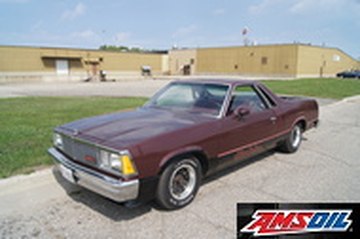
Maintaining Lubrication Integrity for the 1982 Gmc Trucks CABALLERO 3.8L
Proper engine maintenance is a cornerstone of long-term vehicle health, particularly for an engine like the 3.8L found in the 1982 Gmc Trucks CABALLERO. While many aspects of automotive care involve mechanical repairs or electrical troubleshooting, the management of engine oil remains one of the most impactful ways to ensure the longevity and operational smoothness of the powertrain.
Monitoring Fluid Condition and Potential Leaks
Regularly inspecting the area around the engine for signs of fluid loss is a fundamental part of routine service. For an older vehicle, it is useful to observe the ground beneath the engine bay and inspect various sealing surfaces for any evidence of seepage. While some minor weeping can occur as gaskets and seals age, significant or active leaks should be investigated promptly.
When performing visual inspections, look for:
- Dampness or residue on the exterior of the engine block or oil pan area.
- Fresh fluid spots on driveway surfaces.
- Changes in the color or consistency of the lubricant when checked via the dipstick.
If you notice a sudden increase in how often the oil level needs to be topped off, this may indicate an issue that warrants professional attention. It is important to remember that various factors can cause changes in fluid levels or appearance, and symptoms should not be used to diagnose a specific component without further investigation.
Observing Operational Warning Signs
Beyond visual inspections of the engine bay, paying close attention to how the vehicle behaves during operation provides critical information. Changes in the way an engine sounds or smells can often serve as early indicators that something requires attention.
An unusual mechanical noise during startup or while idling may be associated with various lubrication or mechanical conditions. Similarly, if you notice a burning odor after driving, it could indicate that fluid is contacting a hot surface. If the vehicle displays any warning lights related to oil levels or pressure on the dashboard, these should be treated as high-priority signals that require immediate investigation.
It is also beneficial to monitor exhaust characteristics. While many factors influence exhaust appearance, certain changes can be associated with how the engine manages its internal fluids. Always approach these signs as indicators for further inspection rather than definitive proof of a specific part failure.
Prioritizing Maintenance Through Condition-Based Care
As vehicles age, owners often face the challenge of deciding which maintenance tasks to prioritize. Rather than following a rigid schedule based solely on the age of the vehicle, a more effective approach is to use the current mechanical condition as your guide. This involves distinguishing between necessary preventive maintenance and the replacement of parts that are still functioning correctly.
If you do not have a complete service history for the 1982 Gmc Trucks CABALLERO, establishing a maintenance baseline is a practical first step. This can be done by performing a thorough inspection of all fluids, filters, and accessible belts or hoses (if equipped) to determine their current state. Once you understand the starting point of the vehicle's condition, you can better manage future service needs.
Reviewing any available repair records is also highly beneficial. Knowing when components were last serviced allows you to focus your attention on areas that may be approaching the end of their service life or those that show signs of active wear. Addressing active leaks or addressing overdue maintenance tasks should always take precedence over cosmetic or non-essential repairs.
Managing Aging Components and Materials
Over time, various materials within the engine compartment can undergo changes due to heat cycles and age. This includes not only rubber components like hoses (if present) and belts (if equipped), but also electrical connections and wiring harnesses. Inspecting these for signs of brittleness, cracking, or corrosion can help prevent unexpected interruptions in service.
When inspecting electrical connectors, look for signs of oxidation or loose connections that could affect sensor accuracy or general engine performance. Similarly, ensuring that the air filtration system is clean and free of debris is a simple but effective way to maintain proper engine breathing and protect internal components from contaminants.
The Role of Consistent Lubrication Management
Engine oil performs several vital roles that are essential for the continued operation of the 3.8L engine. Beyond simply reducing friction between moving parts, the lubricant helps manage heat within the engine and assists in carrying away small particles that could otherwise cause wear. It also plays a role in helping to control the buildup of deposits and sludge that can form over long periods of operation.
Maintaining the cleanliness and proper chemical integrity of the oil is key to these functions. Using high-quality lubricants and adhering to a consistent service routine helps ensure that the oil continues to provide the necessary protection against oxidation and thermal breakdown. For those using high-mileage formulations, it is worth noting that some of these products contain additives intended for use in aging engines, including seal-conditioning agents.
Practical Advice for Buying Engine Oil for your 1982 Gmc Trucks CABALLERO 3.8L
When it is time to replenish or change the lubricant in your vehicle, the most important step is to ensure that the product you select matches the specific requirements of your engine. Because different engines have unique needs regarding flow and protection, you should never rely on general automotive knowledge or assumptions based on the vehicle's age.
To make an informed purchase, follow these guidelines:
- Match Application Information: Always refer to the vehicle-specific oil viscosity and application information provided on this webpage. This is the most accurate way to ensure you are using the correct grade for your 3.8L engine.
- Verify API Certification: Check the product label to ensure the oil meets current American Petroleum Institute (API) standards for quality and performance.
- Consider Formulation Types: Depending on your specific needs, you may choose between conventional, synthetic blends, or full synthetic oils. Some owners of older engines also look toward high-mileage formulations that include specialized additives.
- Inspect the Label: Before completing your purchase, double-check that the viscosity grade and service classifications printed on the bottle align exactly with the requirements listed in your vehicle's documentation or the information displayed here.